Metal Finishing and Surface Engineering Technologies
Stainless Restoration Ltd have been working with polypropylene and other plastics since its inception in 1998. SRL's interest in polypropylene started with its in-house pickling, passivation and electro-polishing shop processing facilities. It was during the design and building of our current facility SRL has used Polypropylene as its preferred choice of material for its excellent corrosion resistance.
Polypropylene is available in a wide range of products such as pipe, ducting, fittings, valves, sheets and long extruded sections. The range of fabrications that can be made is not unlike those that can be manufactured in the steel fabrication industry.
StainlessRestoration Ltd
are able to Design, Manufacture, Install and commission plant, equipment and systems to process or transfer chemicals or indeed process lines to finish components such as pickling lines or Electro-polishing lines.
A variety of pumps, valves and switches are supplied by SRL to industry. SRL are able to help specify the correct piece of equipment for your application.
Working alongside our fabrication team we have a network of engineers who can provide control equipment with PLC and HMI programming to help run the plant or machine.
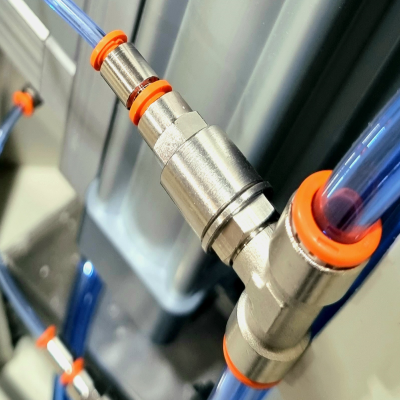
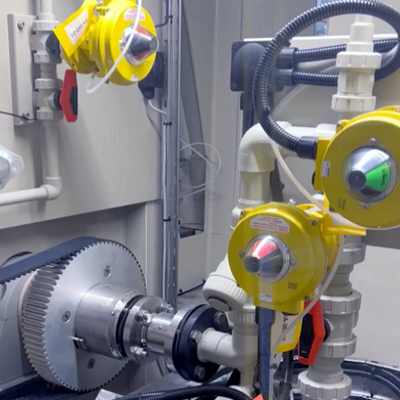
Air actuated controlled valves and corrosion resistant sensors for detecting; liquid level, flow, temperature, conductivity, pH can be designed into equipment to render it semi or fully automated.
Hire Services
SRL are the only UK company who will supply waste pH adjustment plants (neutralisation) to industry on a hire term basis.
The plants arrive skid-mounted and are able to neutralise your waste at source and remove sludge via filter pressing the waste by-product. The waste can be reduced to a solid "cake" waste which is proportionally less volume than original waste volume.
Our Quality Management
System is registered to ISO9001:2015 with The British Standards Institution.
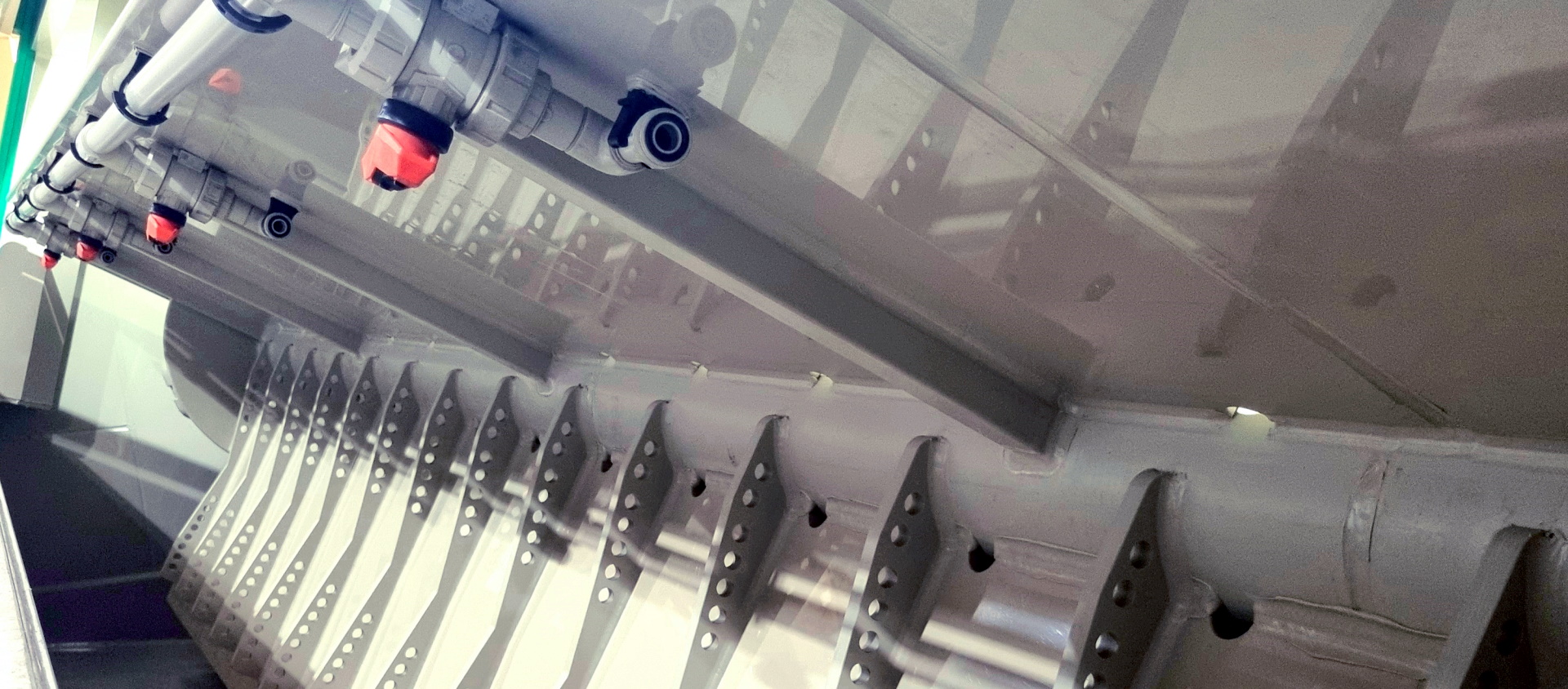
Our unique design allows warm pickling solution to be pumped into each cylinder through a lance and injected into the cylinder whist being rotated through 360˚ (Horizontally) until the stage time elapses.
The cylinders are then drained by indexing the bed in 90˚ increments, compressed air is blown through the pipe work to flush the system. The pickling solution that drains out of the cylinders is collected and reused.
Fresh water is then introduced by the same method, intermittently rinsing the external of the cylinders during a 360˚ rotation, the lines are flushed again with compressed air and the cylinders drained.
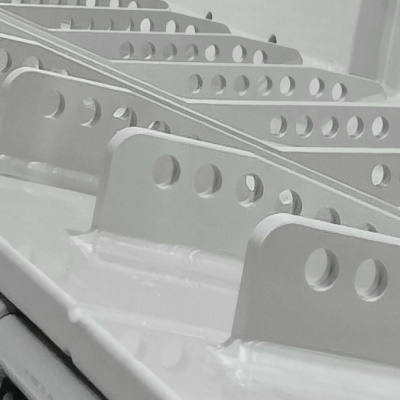
This unique design is the only machine currently on the market that can effectively pickle behind internal baffles.
Process Systems Automated Cylinder Pickling Machine
Ferritic 444, duplex
family 2304,2101,2005 and austenitic 300 series
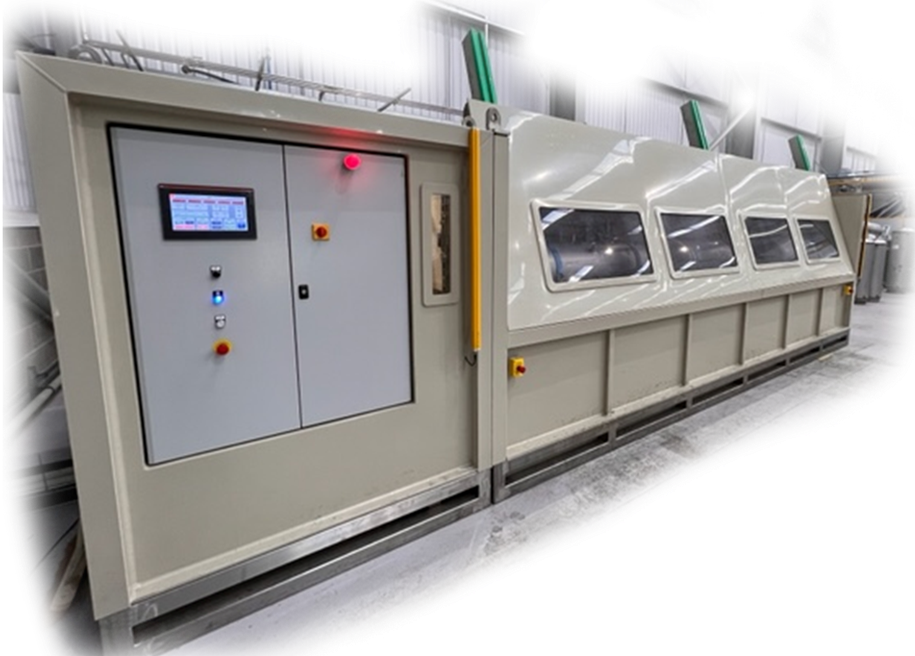
CPM-S4 Cylinder Pickling Machine
Why
Pickling the internal welds and the heat effected zone of the cylinders will restore the corrosion resistance of the cylinder. This process will ensure the cylinder will be less susceptible, pitting corrosion and general corrosion and reduce warranty claims.
How
A heated Nitric Acid/HF blend or Energex 301 solution is sprayed into each cylinder and rotated 360̊ ensuring every internal surface and component is coated, the unique design ensures that even behind baffles are Pickled and rinsed clean.
Easy to Use
Fully automated with access restrictions ensures the cylinders are pickled effectively every time. The CPM is completely enclosed allowing placement anywhere within a Process line.
Cost Savings
Our exceptional build quality and design ensure reliability, repeatability, and quality evert time. The combined with the aforementioned the pickle solution is captured and reused this ensures the CPM is one of the most economical pickling machines on the market
Unique
Our design is unique ! It is the only rotating product on the market and the only product that can pickle behind baffles.
First to Market
Stainless Restoration Ltd. comissioned the first rotating CPM in 2013. Since then we have installed an additional 8 machines with another 3 beginning manufacture Q2 of 2022
Tested
Its tried and tested, 9 Cylinder pickling machines are in the field today processing cylinders 24/7 proving reliability with several million cylinders processed to date
Tailored
We can customize the CPM to suit your business needs or your unique Cylinder design.
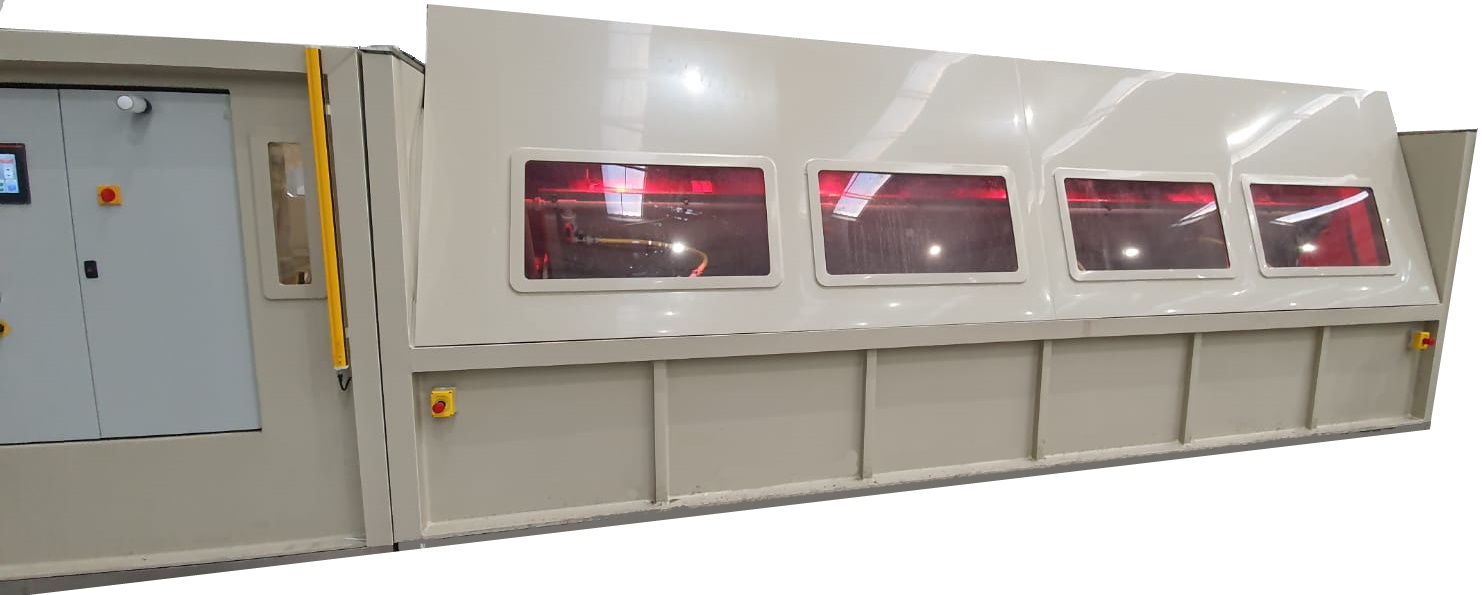
CPM-S4 Cylinder Pickling Machine
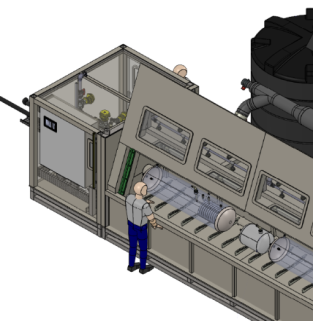
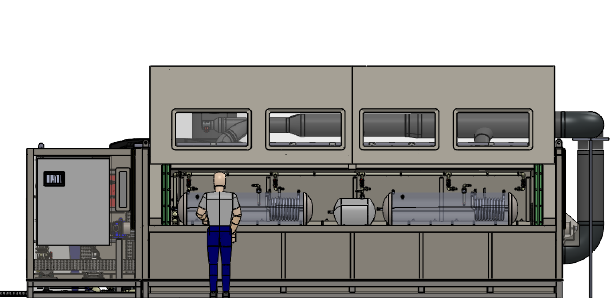
The CPM-S4 has a single
spindle with 4 beds, each bed is equipped with 5 Valve stations and lance to
equip cylinders depending on the length. The Beds are 4.9 metres long with a
number of V-blocks for securing’s cylinders of a varying length and diameter.
Maximum length of cylinder
4.9m
Maximum diameter Ø550mm.
Average Cycle time of 25 Minutes
Capacity Examples
20 cylinders of Ø550mm x
<1m cylinder
16 cylinders of Ø550mm x 1.2m
cylinder
12 cylinders of Ø550mm x 1.6m
cylinder
8 cylinders of Ø550mm x 2.4m
cylindes
Loading the CPM is normally a manual handling process for smaller cylinders, simply because this is the most efficient way.
The larger and heavier cylinders are normally manipulated into the machine using a counter balanced vacuum manipulator arm or similar. We are able to provide a Skids/Pallet type of loading mechanism however, in our experience, this approach is much slower and does not usually offer a great advantage.
CPM Features
Our bespoke CPM-S4 has the capability to pickle and rinse up to 20 cylinders every cycle. The S4 can be fitted with an extra module to allow the addition of future capacity.
CPM Features
Small Foot Print W2.2m x H2.2m x L7.5m
loading height of 1000mm.
Pickle and rinse a variety of cylinders.
Pickle cylinders with baffles.
Fully enclosed and extracted process.
Fully Automated and programmable with 4 recipe settings.
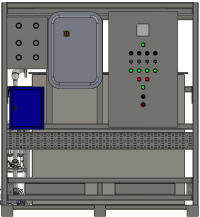
Our Effluent Treament Plants (ETP) are designed to treat waste rinse water from a pickling process at a rate of 10m3/h (large enough for up to four Cylinder Pickling Machines). The ETP is programmed to meet your current discharge limits as required for your region / country.
A control panel with HMI and PLC (Schneider) monitors and controls the process and allows any Alarms to be sent out via e-mail and SMS. Daily/weekly/monthly reporting is available.
Principals of Operation
The effluent is collected in a buffer tank fitted with a radar level controller, an external level indicator, safety overfill sensor and air agitation controller.
Dual pumps this effluent to a neutralisation vessel under the monitoring of a full bore magflo. pH is monitored and adjusted with chemical dosing and the neutralised effluent (pH ~ 10.5) overflows into the flocculation vessel where a polyelectrolyte is be added volumetrically.
The flocculated effluent then overflows into a settlement tank. Sludge from this tank is transferred to a storage tank and susbsequently pumped to a filter press.
Clarified water from the settlement tank is pumped to drain.
OPTIONAL: Grey water recycle: Recover up to 75% of clarified water for re-use.
Effluent Treatment
Fully Enclosed Effluent Treatment Plants, tailored to meet requirements of your consent to discharge by the local water authority or Environmental Agency